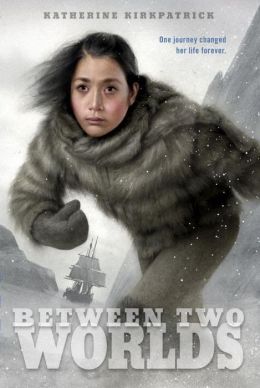
Between Two Worlds. Katherine Kirkpatrick. 2014. Random House. 304 pages. [Source: Review copy]
Between Two Worlds was an interesting and thoughtful novel. The novel is set in Greenland at the turn of the twentieth century. It is told from the native perspective, a young woman named Eqariusaq, nicknamed Billy Bah by Robert E. Peary's wife and daughter. The novel explores the tension between the heroine's "two worlds." On the one hand, as a child, she went with Peary and lived with his family for about a year in the United States. Several years later, her parents also traveled with Peary. But they never returned, along with the other natives Peary had selected. Those natives did not have the personal connection, the friendship. These men and women were to be studied by a museum. Between Two Worlds tells young readers of their fate and treatment--or mistreatment as the case may be. Readers learn alongside the main character. On the other hand, her home is her HOME. Spending time with white people (qallunaat) did not change who she was, did not change her way of life, her culture, her beliefs. She did not trade in her spirituality, for example, for that of the white men. Since her time with Peary's family, she has grown up and gotten married. She's still super young for marriage by today's standards, but today's standards just don't apply to ANY part of this novel.
One of the novel's greatest strengths, perhaps, is that it presents the facts with little or no judgment at all. How husbands and wives treated one another, how women fit into the community and village life, it's something that modern readers will question perhaps. Especially in terms of how husbands traded their wives amongst themselves in addition to trading them to the white men. Part of a woman's value was the value she could bring her husband. A wife's body could be sold or traded. Eqariusaq's husband, Angulluk, loved to trade his wife alot, especially to the white men. He loved how he could use his wife to obtain guns and bullets and planks of wood. I should also point out that men and women could decide to separate or "divorce." Marriage did not mean forever. Women could decide to discard one man in favor of another, in favor of a better. Billy Bah takes comfort in that fact as she seriously considers leaving her husband; she has little respect for him since he's lazy and greedy.
Between Two Worlds is a contemplative novel. Our heroine is very much torn in what she wants and what she needs. She is questioning her past, her present, and her future. Her memories of the past are bitter and sweet. There are memories she cherishes, for better or worse, but she's more analytical than she was as a child. There were things that happened to her in America that through her innocence she did not see as damaging or painful, but, upon growing up and growing wise, she realizes things aren't that simple. For example, she has happy memories of Peary's wife and daughter. Seriously happy memories. Yet, as an adult, as she meets them again after years apart, she realizes the complexity of the situation. Mrs. Peary is willing to risk the lives of the natives without a thought, without a thank you. She commands and expects obedience. She simply does not see the natives as being equally human, equally of worth.
I thought it was a compelling read. It presents a whole other world to readers.
© 2014 Becky Laney of Becky's Book Reviews
Tuesday, June 17, 2014
Monday, June 16, 2014
Leaving China (2014)
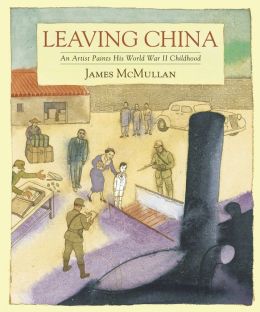
Leaving China: An Artist Paints His World War II Childhood. James McMullan. 2014. Algonquin Books of Chapel Hill. 113 pages. [Source: Library]
I liked reading Leaving China: An Artist Paints His World War II Childhood by James McMullan. I liked the format of it especially. Each chapter consists of two pages: one page of text and an accompanying illustration or painting. Because of the format, the style, it isn't your traditional memoir.
I found this one very interesting. James McMullan was born in China in 1934, his parents were in business, his grandparents were missionaries. By providing some background and family history, readers catch a glimpse of China BEFORE the war, before they were invaded by the Japanese, before the conflict became a world war. And, of course, his narrative goes through the war itself. James and his parents managed to go to Shanghai. His father joined the British army. James and his mother traveled to the U.S. and then Canada where they remained for several years. Eventually both would end up back in Asia--first India and then Shanghai.
Each chapter is a memory. I liked how this collection of memories tells a larger story. I like how it is specific and yet universal. These memories focus on his growing up years, his growing pains. Readers see his struggle to find himself, to accept himself. Let's just say that his mother was very opinionated about what kind of person her son should be, and, he didn't live up to her expectations. The book tells in a way his journey to finding the real him.
© 2014 Becky Laney of Becky's Book Reviews
I liked reading Leaving China: An Artist Paints His World War II Childhood by James McMullan. I liked the format of it especially. Each chapter consists of two pages: one page of text and an accompanying illustration or painting. Because of the format, the style, it isn't your traditional memoir.
I found this one very interesting. James McMullan was born in China in 1934, his parents were in business, his grandparents were missionaries. By providing some background and family history, readers catch a glimpse of China BEFORE the war, before they were invaded by the Japanese, before the conflict became a world war. And, of course, his narrative goes through the war itself. James and his parents managed to go to Shanghai. His father joined the British army. James and his mother traveled to the U.S. and then Canada where they remained for several years. Eventually both would end up back in Asia--first India and then Shanghai.
Each chapter is a memory. I liked how this collection of memories tells a larger story. I like how it is specific and yet universal. These memories focus on his growing up years, his growing pains. Readers see his struggle to find himself, to accept himself. Let's just say that his mother was very opinionated about what kind of person her son should be, and, he didn't live up to her expectations. The book tells in a way his journey to finding the real him.
Throwing A Grape
My earliest memory is of throwing a grape. I was a two-year old playing on the stucco porch of a neighbor's house early one morning. I picked up a grape from a fruit bowl on the breakfast table and threw it for their German shepherd dog to chase. The grape bounced back off the wall and landed near me. The dog and I got to the grape at the same time, but I managed to close my chubby fingers around it just as the dog's jaws were about to claim the prize. The frustrated animal turned on me and bit me on the arm and on the back of the head. I remember in a dreamlike way the shouts and confusion of the adults when they called my parents and drove me to the hospital. It took fourteen stitches to close the gash on my head and six more for the wound on my arm. I don't remember the hospital or the pain, just the grape, the dog, and the chaos. A little patch of hair never grew back on my head.
Looking back, I wonder if the dog attack had anything to do with the nervousness I exhibited during my childhood or whether I was simply destined to be a worried, anxious boy, German shepherd bites or not. I do know that my physical timidity in those early years was a concern to my father and mother and a great disappointment. This story of my peripatetic life during the Second World War, and of my family's beginnings in China, is also a story of that nervous boy gradually finding his strength in art and a way to be in the world that was not his father's or mother's idea of a man's life. (4)
© 2014 Becky Laney of Becky's Book Reviews
Labels:
2014,
books reviewed in 2014,
library book,
Nonfiction
Sunday, June 15, 2014
The Law and the Lady (1875)
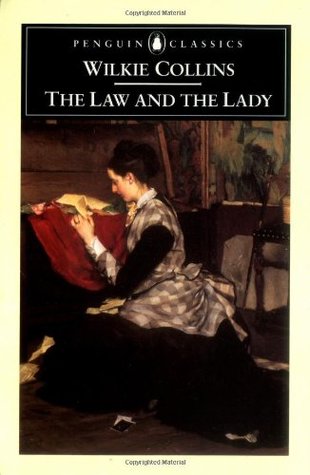
The Law and the Lady. Wilkie Collins. 1875. 430 pages. [Source: Book I Bought]
The Law and the Lady may not be my favorite Wilkie Collins novel, but, I am glad I finally read this "first" female detective novel. Valeria is our heroine, our amateur detective. Readers meet her on her wedding day. Foreshadowing is abundant. All is not well. Things may never be well for this couple. Within days, Valeria is noticing inconsistencies and becoming super suspicious of her husband. She snoops in his things; she goes to his friends to ask questions, etc. She makes a DISCOVERY.
Her husband was married before. His first wife died. He was tried for murder--suspected of poisoning her by arsenic. The Scottish Verdict was "Not Proven" which essentially means that people, that society, could still choose to look upon him with suspicion as a murderer. He may not be "guilty" but he's not been deemed "innocent."
Once he knows that she knows his past, he leaves her. Valeria while seeming to be full of doubt and hesitation and fear BEFORE she discovered his past, is suddenly completely confident in her husband's innocence AND more in love with him than ever before. It seems her love for her husband has tripled since she read her husband's trial. She is now fiercely determined to prove that her husband is innocent, to take her proof to court.
Over half the novel is focused on Valeria's efforts to prove her husband's innocence. Valeria only has to talk to one or two people to know what's what. Getting proof that her intuition is right may prove slightly more challenging, but Valeria with a little help from others is stubborn enough to see the job through to the end.
Or is she? The Law and the Lady has a not-quite-satisfying ending. For her husband to "receive" justice, it means that someone else will be assigned blame. (That seemed obvious from the beginning.) And in the end, both husband and wife prove reluctant and hesitant to act.
The Law and the Lady is a strange novel with a strong heroine. As a romance, it was extremely weak. Valeria, readers are told, loves, loves, loves her husband. He is her EVERYTHING. But readers never see the husband at his supposed best. Readers just see Valeria in various dramatic scenes supposedly acting on her husband's behalf and with his best interests in mind. Because readers don't necessarily share faith in Valeria's husband or in Valeria's judgment, it could have easily gone the other way. Collins could have written this as a dark, dramatic piece with a less than happy ending.
© 2014 Becky Laney of Becky's Book Reviews
The Law and the Lady may not be my favorite Wilkie Collins novel, but, I am glad I finally read this "first" female detective novel. Valeria is our heroine, our amateur detective. Readers meet her on her wedding day. Foreshadowing is abundant. All is not well. Things may never be well for this couple. Within days, Valeria is noticing inconsistencies and becoming super suspicious of her husband. She snoops in his things; she goes to his friends to ask questions, etc. She makes a DISCOVERY.
Her husband was married before. His first wife died. He was tried for murder--suspected of poisoning her by arsenic. The Scottish Verdict was "Not Proven" which essentially means that people, that society, could still choose to look upon him with suspicion as a murderer. He may not be "guilty" but he's not been deemed "innocent."
Once he knows that she knows his past, he leaves her. Valeria while seeming to be full of doubt and hesitation and fear BEFORE she discovered his past, is suddenly completely confident in her husband's innocence AND more in love with him than ever before. It seems her love for her husband has tripled since she read her husband's trial. She is now fiercely determined to prove that her husband is innocent, to take her proof to court.
Over half the novel is focused on Valeria's efforts to prove her husband's innocence. Valeria only has to talk to one or two people to know what's what. Getting proof that her intuition is right may prove slightly more challenging, but Valeria with a little help from others is stubborn enough to see the job through to the end.
Or is she? The Law and the Lady has a not-quite-satisfying ending. For her husband to "receive" justice, it means that someone else will be assigned blame. (That seemed obvious from the beginning.) And in the end, both husband and wife prove reluctant and hesitant to act.
The Law and the Lady is a strange novel with a strong heroine. As a romance, it was extremely weak. Valeria, readers are told, loves, loves, loves her husband. He is her EVERYTHING. But readers never see the husband at his supposed best. Readers just see Valeria in various dramatic scenes supposedly acting on her husband's behalf and with his best interests in mind. Because readers don't necessarily share faith in Valeria's husband or in Valeria's judgment, it could have easily gone the other way. Collins could have written this as a dark, dramatic piece with a less than happy ending.
© 2014 Becky Laney of Becky's Book Reviews
Saturday, June 14, 2014
Week in Review: June 8-14
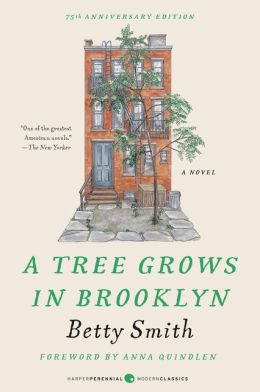
A Tree Grows in Brooklyn. Betty Smith. 1943/2006. HarperCollins. 496 pages. [Source: Bought]
History of England. Jane Austen. 1977. 64 pages. [Source: Book I Bought]
A Child's History of England. Charles Dickens. 1851-1853. 390 pages. [Source: Book I Bought]
Finally (Willow Falls #2) Wendy Mass. 2010. Scholastic. 304 pages. [Source: Review copy]
You Wish. Mandy Hubbard. 2010. Penguin. 304 pages. [Source: Review copy]
The Story of the Amulet. E. Nesbit. 1906/1996. Puffin. 292 pages. [Source: Bought]
The Lost Sun. (The United States of Asgard #1) Tess Gratton. 2013. Random House. 368 pages. [Source: Library]
A Place In His Heart. Rebecca DeMarino. 2014. Revell. 336 pages. [Source: Review copy]
Deeper Places: Experiencing God in the Psalms. Matthew Jacoby. 2013. Baker Books. 183 pages. [Source: Bought]
Wounded Tiger. A Nonfiction Novel. T. Martin Bennett. 2014. Onstad Press. 472 pages. [Source: Review copy]
This week's favorite:
I enjoyed many books this week. I did. I really loved reading two very different "history of England" books. One by Jane Austen. One by Charles Dickens. I found Wounded Tiger to be a compelling World War II novel with unforgettable characters. But. One book stood out above the others: A Tree Grows In Brooklyn. This classic novel by Betty Smith was just so WONDERFUL. Francie, the heroine, is a kindred spirit in some ways. I'm sure many book lovers can agree! On that day when she first knew she could read, she made a vow to read one book a day as long as she lived.
© 2014 Becky Laney of Becky's Book Reviews

History of England. Jane Austen. 1977. 64 pages. [Source: Book I Bought]
A Child's History of England. Charles Dickens. 1851-1853. 390 pages. [Source: Book I Bought]
Finally (Willow Falls #2) Wendy Mass. 2010. Scholastic. 304 pages. [Source: Review copy]
You Wish. Mandy Hubbard. 2010. Penguin. 304 pages. [Source: Review copy]
The Story of the Amulet. E. Nesbit. 1906/1996. Puffin. 292 pages. [Source: Bought]
The Lost Sun. (The United States of Asgard #1) Tess Gratton. 2013. Random House. 368 pages. [Source: Library]
A Place In His Heart. Rebecca DeMarino. 2014. Revell. 336 pages. [Source: Review copy]
Deeper Places: Experiencing God in the Psalms. Matthew Jacoby. 2013. Baker Books. 183 pages. [Source: Bought]
Wounded Tiger. A Nonfiction Novel. T. Martin Bennett. 2014. Onstad Press. 472 pages. [Source: Review copy]
This week's favorite:
I enjoyed many books this week. I did. I really loved reading two very different "history of England" books. One by Jane Austen. One by Charles Dickens. I found Wounded Tiger to be a compelling World War II novel with unforgettable characters. But. One book stood out above the others: A Tree Grows In Brooklyn. This classic novel by Betty Smith was just so WONDERFUL. Francie, the heroine, is a kindred spirit in some ways. I'm sure many book lovers can agree! On that day when she first knew she could read, she made a vow to read one book a day as long as she lived.
© 2014 Becky Laney of Becky's Book Reviews
Library Loot: Second Trip in June
New Loot:
Leftover Loot:
© 2014 Becky Laney of Becky's Book Reviews
- A Sorcerer's Treason by Sarah Zettel
- Palace of Spies by Sarah Zettel
- Tarnish by Katherine Longshore
- The Story of Passover by David A. Adler
- God's Amazing World by Eileen Spinelli
- Bloody Jack by L.A. Meyer
- Curse of the Blue Tattoo by L.A. Meyer
- Under the Jolly Roger by L.A. Meyer
- Earth Awakens by Orson Scott Card and Aaron Johnston
- Fahrenheit 451 by Ray Bradbury
- Northanger Abbey by Val McDermid
- Crabby Crab by Chris Raschka
- Cowy Cow by Chris Raschka
- Lamby Lamb by Chris Raschka
- Whaley Whale by Chris Raschka
- The Immortal Life of Henrietta Lacks by Rebecca Skloot
Leftover Loot:
- China Dolls by Lisa See
- Jenny and the Cat Club by Esther Averill
- Captains of the City Street by Esther Averill
- The Hotel Cat by Esther Averill
© 2014 Becky Laney of Becky's Book Reviews
Subscribe to:
Posts (Atom)
