Robinson. Peter Sis. 2017. Scholastic. 48 pages. [Source: Review copy]
Among the Barons. (Shadow Children #4) Margaret Peterson Haddix. 2003. 208 pages. [Source: Library]
Almost Autumn. Marianne Kaurin. Translated by Rosie Hedger. 2012/2017. Scholastic. 278 pages. [Source: Review copy]
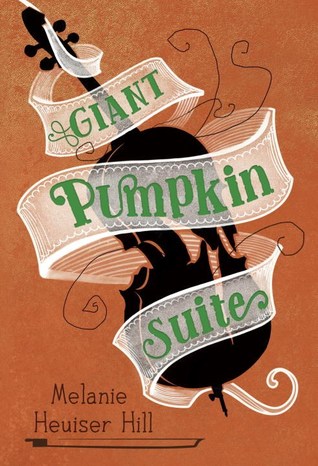
Giant Pumpkin Suite. Melanie Heuiser Hill. 2017. Candlewick Press. 448 pages. [Source: Review copy]
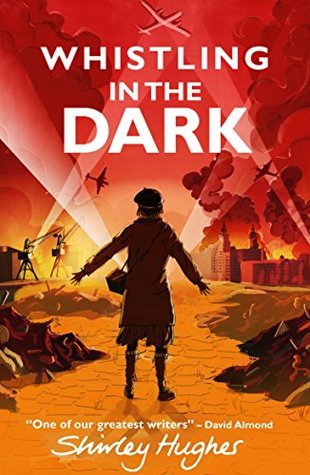
Whistling in the Dark. Shirley Hughes. 2015/2017. Candlewick. 240 pages. [Source: Review copy]
The Hole Story. Paul Bright. Illustrated by Bruce Ingman. 2016. 32 pages. [Source: Library]
Machines at Work. Byron Barton. 1987. 32 pages. [Source: Library]
I Was So Mad. Mercer Mayer. 1983. Random House. 24 pages. [Source: Bought]
School Bus. Donald Crews. 1984. 32 pages. [Source: Bought]
Too Many Cats. Leah Raechel Killen. 1988. 30 pages. [Source: Bought]
The Gospel for Muslims: An Encouragement to Share Christ With Confidence. Thabiti M. Anyabwile. 2018. [January 2018] Moody. 176 pages. [Source: Review copy]
The Austen Escape. Katherine Reay. 2017. Thomas Nelson. 320 pages. [Source: Review copy]
When Christ Appears: An Inspirational Experience Through Revelation. David Jeremiah. 2018. [January] 196 pages. [Source: Review copy]
Pizza with Jesus (No Black Olives). P.J. Frick. 2017. CreateSpace. 158 pages. [Source: Review copy]
2018 Reformation Reading Challenge (I'm hosting)
Completed 2017 Challenge Reformation
5 Months. 5 Goals. Update the Third.
Mount TBR Reading Challenge 2018
My Autumn with Psalm 119 #11
My Autumn with Psalm 119 #12
© 2017 Becky Laney of Becky's Book Reviews
Saturday, November 04, 2017
Friday, November 03, 2017
Whistling in the Dark
Whistling in the Dark. Shirley Hughes. 2015/2017. Candlewick. 240 pages. [Source: Review copy]
First sentence: Northwest England, autumn 1940.
Premise/plot: Joan Armitage is the heroine of Shirley Hughes' Whistling in the Dark. This one is set in Liverpool during the second world war. The book focuses on the daily experiences of life during the war through the eyes of a thirteen year old. Her father was a merchant marine; WAS. Now her mother is dating someone else, and only the youngest of the family, little Judy, is pleased. The rest of Joan's family (Brian and Audrey) agrees with her: he's trying WAY too hard to be trustworthy. There's drama at school and home.
Some of the drama concerns a Polish refugee, Ania, who joins Joan's class. Joan and her best friend, Doreen, do their best to help her feel welcome and safe. There are some in the class who target her for their bullying.
My thoughts: Whistling in the Dark is very much character-driven. All of the characters are developed. The community feels genuine. The details of daily lives abound. I found it a compelling read. It isn't an action-packed war drama where lives are at stake 24/7. It's much quieter than that. But I think it can be a thought-provoking read.
I admit that at first all I could think of was that somewhere in town, there was a tiny John Lennon.
© 2017 Becky Laney of Becky's Book Reviews
First sentence: Northwest England, autumn 1940.
Premise/plot: Joan Armitage is the heroine of Shirley Hughes' Whistling in the Dark. This one is set in Liverpool during the second world war. The book focuses on the daily experiences of life during the war through the eyes of a thirteen year old. Her father was a merchant marine; WAS. Now her mother is dating someone else, and only the youngest of the family, little Judy, is pleased. The rest of Joan's family (Brian and Audrey) agrees with her: he's trying WAY too hard to be trustworthy. There's drama at school and home.
Some of the drama concerns a Polish refugee, Ania, who joins Joan's class. Joan and her best friend, Doreen, do their best to help her feel welcome and safe. There are some in the class who target her for their bullying.
My thoughts: Whistling in the Dark is very much character-driven. All of the characters are developed. The community feels genuine. The details of daily lives abound. I found it a compelling read. It isn't an action-packed war drama where lives are at stake 24/7. It's much quieter than that. But I think it can be a thought-provoking read.
I admit that at first all I could think of was that somewhere in town, there was a tiny John Lennon.
© 2017 Becky Laney of Becky's Book Reviews
Thursday, November 02, 2017
2018 Vintage Mystery Challenge
Vintage Mystery Challenge: Just the Facts, Ma'am
Host: My Reader's Block (sign up here)
January - December 2018
# of books: my goal is CONSTABLE. 6 books -- one from each category. If things are going well and I complete the Constable level, I may choose to go for DETECTIVE SERGEANT -- two books from each category. All mysteries must be published BEFORE 1960.
She has a LOVELY detective notebook, but I'm going to use the checklist to keep track of what I read.
Feel free to copy/paste this. You can replace the _ with an X or a ✔ (copy/paste it) when you finish reading a book. If you list the books you read, that may help other people decide what to read.
Who (For the "Who" category, the who may be the sleuth, victim, or other quite prominent character. It should not be a minor character who only shows up once or twice in the book and isn't really crucial to the plot.)
_ An Academic
_ Crime-Solving Duo
_ An amateur detective
✔ In the medical field
Dracula. Bram Stoker. 1897/2005. 448 pages. [Source: Bought]
_ a journalist/writer
_ an artist/photographer
✔ retired from or in the armed services
Uneasy Terms. (Slim Callaghan #7) Peter Cheyney. 1947. 240 pages. [Source: Bought]
_ matriarch/patriarch of the family
What
✔ pseudonymous author (Elizabeth MacKintosh writing as Josephine Tey)
The Daughter of Time. Josephine Tey. 1951/1995. Simon & Schuster. 208 pages. [Source: Bought]
✔ number in the title
Thirteen at Dinner. Agatha Christie. 1933. 228 pages. [Source: Bought]
_ color in the title
_ animal in the title
_ means of murder in the title
_ reference to man or woman in title
_ book published under more than one title
_ title contains two words beginning with same letter
When
_ during a recognized holiday
_ a historical crime
_ time/date in title
_ timing of crime is crucial (An example for the item "Timing of the crime is crucial" might be that X murders Y before their 21st birthday to prevent them from inheriting. Or X knocks off Great-Uncle Y to prevent him from changing his will. Just be prepared to explain what the crucial element is.)
_ during a weather event
✔ during a trip/vacation/cruise, etc.
Singing in the Shrouds. Ngaio Marsh. 1958. 240 pages. [Source: Bought]
✔ during a performance of any sort
A Wreath for Rivera (Roderick Alleyn #15) Ngaio Marsh. 1949. 336 pages. [Source: Bought]
_ during a special event (birthday, village fete, etc.)
Where
_ At a country house
_ on a mode of transportation
✔ on an island
Vintage Murder. Ngaio Marsh. 1937. 256 pages. [Source: Bought]
_ at a school
_ set in a small village
_ in a hospital/nursing home
✔ features a courtroom scene
Whose Body? Dorothy L. Sayers. 1923/1995. HarperTorch. 224 pages. [Source: Bought]
_ in a locked room
How
_ death by drowning
_ crime involved fire/arson
_ death by poison
_ death by strangulation
✔ death by knife/dagger
The Man in the Queue (Inspector Alan Grant #1) Josephine Tey. 1929. 255 pages. [Source: Bought]
✔ death by shooting
Mary Barton. Elizabeth Gaskell. 1848. 437 pages. [Source: Bought]
_ at least two deaths by different means
_ death by blunt instrument
Why
_ it won an award of any sort
_ it made a best of list {For the "Made a best of list" item, the "best of list" can be a well-known list from a journal or newspaper, from Goodreads, or even from a fellow blogger. Please reference the list you have used.}
_ has been read/reviewed by a fellow challenger at any time
✔ has been on your tbr list
Crime and Punishment. Fyodor Dostoyevsky. Translated by David McDuff. 1866/2002. 671 pages. [Source: Library]
_ out of your comfort zone
_ an author you've never tried
_an author you've read and loved
✔ book made into tv/film/play
The Boomerang Clue. Agatha Christie. 1934. 224 pages. [Source: Bought]
What I read:
The Man in the Queue (Inspector Alan Grant #1) Josephine Tey. 1929. 255 pages. [Source: Bought]
Mary Barton. Elizabeth Gaskell. 1848. 437 pages. [Source: Bought]
Uneasy Terms. (Slim Callaghan #7) Peter Cheyney. 1947. 240 pages. [Source: Bought]
The Daughter of Time. Josephine Tey. 1951/1995. Simon & Schuster. 208 pages. [Source: Bought]
Crime and Punishment. Fyodor Dostoyevsky. Translated by David McDuff. 1866/2002. 671 pages. [Source: Library]
A Wreath for Rivera (Roderick Alleyn #15) Ngaio Marsh. 1949. 336 pages. [Source: Bought]
Thirteen at Dinner. Agatha Christie. 1933. 228 pages. [Source: Bought]
Vintage Murder. Ngaio Marsh. 1937. 256 pages. [Source: Bought]
Singing in the Shrouds. Ngaio Marsh. 1958. 240 pages. [Source: Bought]
The Boomerang Clue. Agatha Christie. 1934. 224 pages. [Source: Bought]
Dracula. Bram Stoker. 1897/2005. 448 pages. [Source: Bought]
Whose Body? Dorothy L. Sayers. 1923/1995. HarperTorch. 224 pages. [Source: Bought]
© 2017 Becky Laney of Becky's Book Reviews
Host: My Reader's Block (sign up here)
January - December 2018
# of books: my goal is CONSTABLE. 6 books -- one from each category. If things are going well and I complete the Constable level, I may choose to go for DETECTIVE SERGEANT -- two books from each category. All mysteries must be published BEFORE 1960.
She has a LOVELY detective notebook, but I'm going to use the checklist to keep track of what I read.
Feel free to copy/paste this. You can replace the _ with an X or a ✔ (copy/paste it) when you finish reading a book. If you list the books you read, that may help other people decide what to read.
Who (For the "Who" category, the who may be the sleuth, victim, or other quite prominent character. It should not be a minor character who only shows up once or twice in the book and isn't really crucial to the plot.)
_ An Academic
_ Crime-Solving Duo
_ An amateur detective
✔ In the medical field
Dracula. Bram Stoker. 1897/2005. 448 pages. [Source: Bought]
_ a journalist/writer
_ an artist/photographer
✔ retired from or in the armed services
Uneasy Terms. (Slim Callaghan #7) Peter Cheyney. 1947. 240 pages. [Source: Bought]
_ matriarch/patriarch of the family
What
✔ pseudonymous author (Elizabeth MacKintosh writing as Josephine Tey)
The Daughter of Time. Josephine Tey. 1951/1995. Simon & Schuster. 208 pages. [Source: Bought]
✔ number in the title
Thirteen at Dinner. Agatha Christie. 1933. 228 pages. [Source: Bought]
_ color in the title
_ animal in the title
_ means of murder in the title
_ reference to man or woman in title
_ book published under more than one title
_ title contains two words beginning with same letter
When
_ during a recognized holiday
_ a historical crime
_ time/date in title
_ timing of crime is crucial (An example for the item "Timing of the crime is crucial" might be that X murders Y before their 21st birthday to prevent them from inheriting. Or X knocks off Great-Uncle Y to prevent him from changing his will. Just be prepared to explain what the crucial element is.)
_ during a weather event
✔ during a trip/vacation/cruise, etc.
Singing in the Shrouds. Ngaio Marsh. 1958. 240 pages. [Source: Bought]
✔ during a performance of any sort
A Wreath for Rivera (Roderick Alleyn #15) Ngaio Marsh. 1949. 336 pages. [Source: Bought]
_ during a special event (birthday, village fete, etc.)
Where
_ At a country house
_ on a mode of transportation
✔ on an island
Vintage Murder. Ngaio Marsh. 1937. 256 pages. [Source: Bought]
_ at a school
_ set in a small village
_ in a hospital/nursing home
✔ features a courtroom scene
Whose Body? Dorothy L. Sayers. 1923/1995. HarperTorch. 224 pages. [Source: Bought]
_ in a locked room
How
_ death by drowning
_ crime involved fire/arson
_ death by poison
_ death by strangulation
✔ death by knife/dagger
The Man in the Queue (Inspector Alan Grant #1) Josephine Tey. 1929. 255 pages. [Source: Bought]
✔ death by shooting
Mary Barton. Elizabeth Gaskell. 1848. 437 pages. [Source: Bought]
_ at least two deaths by different means
_ death by blunt instrument
Why
_ it won an award of any sort
_ it made a best of list {For the "Made a best of list" item, the "best of list" can be a well-known list from a journal or newspaper, from Goodreads, or even from a fellow blogger. Please reference the list you have used.}
_ has been read/reviewed by a fellow challenger at any time
✔ has been on your tbr list
Crime and Punishment. Fyodor Dostoyevsky. Translated by David McDuff. 1866/2002. 671 pages. [Source: Library]
_ out of your comfort zone
_ an author you've never tried
_an author you've read and loved
✔ book made into tv/film/play
What I read:
The Man in the Queue (Inspector Alan Grant #1) Josephine Tey. 1929. 255 pages. [Source: Bought]
Mary Barton. Elizabeth Gaskell. 1848. 437 pages. [Source: Bought]
Uneasy Terms. (Slim Callaghan #7) Peter Cheyney. 1947. 240 pages. [Source: Bought]
The Daughter of Time. Josephine Tey. 1951/1995. Simon & Schuster. 208 pages. [Source: Bought]
Crime and Punishment. Fyodor Dostoyevsky. Translated by David McDuff. 1866/2002. 671 pages. [Source: Library]
A Wreath for Rivera (Roderick Alleyn #15) Ngaio Marsh. 1949. 336 pages. [Source: Bought]
Thirteen at Dinner. Agatha Christie. 1933. 228 pages. [Source: Bought]
Vintage Murder. Ngaio Marsh. 1937. 256 pages. [Source: Bought]
Singing in the Shrouds. Ngaio Marsh. 1958. 240 pages. [Source: Bought]
The Boomerang Clue. Agatha Christie. 1934. 224 pages. [Source: Bought]
Dracula. Bram Stoker. 1897/2005. 448 pages. [Source: Bought]
Whose Body? Dorothy L. Sayers. 1923/1995. HarperTorch. 224 pages. [Source: Bought]
© 2017 Becky Laney of Becky's Book Reviews
Giant Pumpkin Suite
Giant Pumpkin Suite. Melanie Heuiser Hill. 2017. Candlewick Press. 448 pages. [Source: Review copy]
First sentence: Rose's bow zinged off the cello strings. Thomas hit the button on his stopwatch and grinned.
Premise/plot: Rose and Thomas are fraternal twins, though you'd never be able to guess. She's very tall for her age; he is very short. She can't seem to stop growing; he can't seem to start. She's several grades ahead of him as well. What do you need to know about Rose? She LOVES, LOVES, LOVES playing the cello, loves and adores Bach especially. She also is EXTREMELY fond of Charlotte's Web. In fact, she reads it at least once a month, and has for years. She hates her height and her curly hair. We know a little less about Thomas, but what we do know is easy to love. He's kind, compassionate, curious, eager to help, excited about life, optimistic.
The book opens in May, I believe, Rose and Thomas come to the aid of their friend and neighbor, Mr. Pickering. He's fallen down the basement stairs. Fortunately, Thomas finds him soon after, and Rose calls 911. Mr. Pickering asks them to take care of a precious seed and get it planted for him. This seed is for a GIGANTIC pumpkin.
The good news: Pickering's life is never in danger. The bad news: The summer doesn't quite go as planned. It ends up being the best-worst summer ever.
Thomas is beyond excited about the pumpkin project. Rose is a little more hesitant to commit ALL her free time to a plant. Even if her music teacher asks her to practice less, practice outside, and to play Bach for the plant. There is a big Bach competition coming up and Rose is nervous and feeling the pressure.
The competition never happens--not for Rose. What will Rose gain by losing?
My thoughts: I really loved this one. I loved the focus on family. Rose's family is close. Rose and Thomas are being raised by their mom and grandma. I loved how supportive they are of one another. I also loved the focus on friendship. Mr. Pickering and Mrs. Kiyo are two elderly neighbors that also love having Rose and Thomas in their lives.
There is a family in the neighborhood as well--the Jacobis. Rose doesn't "like" any of the kids. Jesse and James are identical twins. Jane is a girl near her own age. Rose calls her CALAMITY Jane, but the nickname is a bit unearned. Jane and Rose both want to have the library's copy of Charlotte's Web checked out ALL THE TIME. So much so that the librarian has a system: one week Rose, one week Jane, one week on the shelf to have available for another patron. Speaking of the librarian, she LOVES musicals. As in SINGS at the library on the job. This librarian is like a second mother to Jane. But over the course of this best-worst summer, Rose is invited into the group.
The book has a community theme to it. And friendship. It encourages dreams, but also asks what are you willing to do badly out of sheer love for it?!
It is a long book. But it was a good long book. So I personally, as an adult, didn't mind that!
© 2017 Becky Laney of Becky's Book Reviews
First sentence: Rose's bow zinged off the cello strings. Thomas hit the button on his stopwatch and grinned.
Premise/plot: Rose and Thomas are fraternal twins, though you'd never be able to guess. She's very tall for her age; he is very short. She can't seem to stop growing; he can't seem to start. She's several grades ahead of him as well. What do you need to know about Rose? She LOVES, LOVES, LOVES playing the cello, loves and adores Bach especially. She also is EXTREMELY fond of Charlotte's Web. In fact, she reads it at least once a month, and has for years. She hates her height and her curly hair. We know a little less about Thomas, but what we do know is easy to love. He's kind, compassionate, curious, eager to help, excited about life, optimistic.
The book opens in May, I believe, Rose and Thomas come to the aid of their friend and neighbor, Mr. Pickering. He's fallen down the basement stairs. Fortunately, Thomas finds him soon after, and Rose calls 911. Mr. Pickering asks them to take care of a precious seed and get it planted for him. This seed is for a GIGANTIC pumpkin.
The good news: Pickering's life is never in danger. The bad news: The summer doesn't quite go as planned. It ends up being the best-worst summer ever.
Thomas is beyond excited about the pumpkin project. Rose is a little more hesitant to commit ALL her free time to a plant. Even if her music teacher asks her to practice less, practice outside, and to play Bach for the plant. There is a big Bach competition coming up and Rose is nervous and feeling the pressure.
The competition never happens--not for Rose. What will Rose gain by losing?
My thoughts: I really loved this one. I loved the focus on family. Rose's family is close. Rose and Thomas are being raised by their mom and grandma. I loved how supportive they are of one another. I also loved the focus on friendship. Mr. Pickering and Mrs. Kiyo are two elderly neighbors that also love having Rose and Thomas in their lives.
There is a family in the neighborhood as well--the Jacobis. Rose doesn't "like" any of the kids. Jesse and James are identical twins. Jane is a girl near her own age. Rose calls her CALAMITY Jane, but the nickname is a bit unearned. Jane and Rose both want to have the library's copy of Charlotte's Web checked out ALL THE TIME. So much so that the librarian has a system: one week Rose, one week Jane, one week on the shelf to have available for another patron. Speaking of the librarian, she LOVES musicals. As in SINGS at the library on the job. This librarian is like a second mother to Jane. But over the course of this best-worst summer, Rose is invited into the group.
The book has a community theme to it. And friendship. It encourages dreams, but also asks what are you willing to do badly out of sheer love for it?!
It is a long book. But it was a good long book. So I personally, as an adult, didn't mind that!
© 2017 Becky Laney of Becky's Book Reviews
Wednesday, November 01, 2017
Almost Autumn
Almost Autumn. Marianne Kaurin. Translated by Rosie Hedger. 2012/2017. Scholastic. 278 pages. [Source: Review copy]
First sentence: Summer is over.
Premise/plot: Almost Autumn is set in Oslo, Norway in 1942. The heroine is a young teenager named Ilse Stern. She has an older sister and a younger sister. The novel opens with Ilse sneaking out of the house wearing a white dress with red polka dots. It's clearly a summer dress, and it is almost autumn. But she's meeting a boy, Hermann Rod, and it's more important to be beautiful than warm. He breaks the date, and disappoints the girl. But he's broken the date for an important reason: he's part of the Resistance, and he's trapped hiding in a building waiting for the Nazis to disperse. She doesn't know this, of course, no one does. Hermann isn't going to to around telling everyone what he's doing when he's not at work--not even his parents, especially not his parents. Hermann struggles in this one: should he warn Ilse Stern and her family to flee for their lives and press on her the urgency of the matter, the seriousness of the situation, or does he wait until he knows more?
Hermann isn't the only one struggling, there are others as well. Isak Stern is struggling as well. Should he and his family stay? Should they try to sneak out of the country and into Sweden? How much time does he have before it becomes critical? He's reluctant to make such a drastic, dramatic decision. But time isn't on his side.
Another who is struggling is a taxi driver who lives in the same apartment building. One day he's hired by the Germans for a secret project. He knows that it is wrong on every level to be doing what he's doing. Some of the Jews he's transporting for round-up are his friends, his neighbors. But he goes along with it anyway. Yet is he beyond redemption? Will he always lose the struggle with his conscience?
My thoughts: Almost Autumn is a fictional account of the Holocaust from the point of view of Norwegian Jews. In October, Jewish men were arrested and rounded up. In November, Jewish women and children were arrested and rounded up. They were sent by ship to concentration camps.
"The German ship Donau sailed from Oslo on the afternoon of that same day [November 26, 1942] with 532 Norwegian Jews on board. Only nine of those were to survive Auschwitz." (276)
Almost Autumn is dramatic but not overly dramatic. I think it's well worth reading. It's not unusual for Holocaust books to be set in Germany, Poland, or Austria, but how many have you read set in Norway? Even if there were dozens, no two stories are the same.
© 2017 Becky Laney of Becky's Book Reviews
First sentence: Summer is over.
Premise/plot: Almost Autumn is set in Oslo, Norway in 1942. The heroine is a young teenager named Ilse Stern. She has an older sister and a younger sister. The novel opens with Ilse sneaking out of the house wearing a white dress with red polka dots. It's clearly a summer dress, and it is almost autumn. But she's meeting a boy, Hermann Rod, and it's more important to be beautiful than warm. He breaks the date, and disappoints the girl. But he's broken the date for an important reason: he's part of the Resistance, and he's trapped hiding in a building waiting for the Nazis to disperse. She doesn't know this, of course, no one does. Hermann isn't going to to around telling everyone what he's doing when he's not at work--not even his parents, especially not his parents. Hermann struggles in this one: should he warn Ilse Stern and her family to flee for their lives and press on her the urgency of the matter, the seriousness of the situation, or does he wait until he knows more?
Hermann isn't the only one struggling, there are others as well. Isak Stern is struggling as well. Should he and his family stay? Should they try to sneak out of the country and into Sweden? How much time does he have before it becomes critical? He's reluctant to make such a drastic, dramatic decision. But time isn't on his side.
Another who is struggling is a taxi driver who lives in the same apartment building. One day he's hired by the Germans for a secret project. He knows that it is wrong on every level to be doing what he's doing. Some of the Jews he's transporting for round-up are his friends, his neighbors. But he goes along with it anyway. Yet is he beyond redemption? Will he always lose the struggle with his conscience?
My thoughts: Almost Autumn is a fictional account of the Holocaust from the point of view of Norwegian Jews. In October, Jewish men were arrested and rounded up. In November, Jewish women and children were arrested and rounded up. They were sent by ship to concentration camps.
"The German ship Donau sailed from Oslo on the afternoon of that same day [November 26, 1942] with 532 Norwegian Jews on board. Only nine of those were to survive Auschwitz." (276)
Almost Autumn is dramatic but not overly dramatic. I think it's well worth reading. It's not unusual for Holocaust books to be set in Germany, Poland, or Austria, but how many have you read set in Norway? Even if there were dozens, no two stories are the same.
© 2017 Becky Laney of Becky's Book Reviews
Subscribe to:
Posts (Atom)